My Voice Acting Set-Up That Keeps Me Booked and Busy
From beginner-friendly to professional equipment
If you just want to shop:
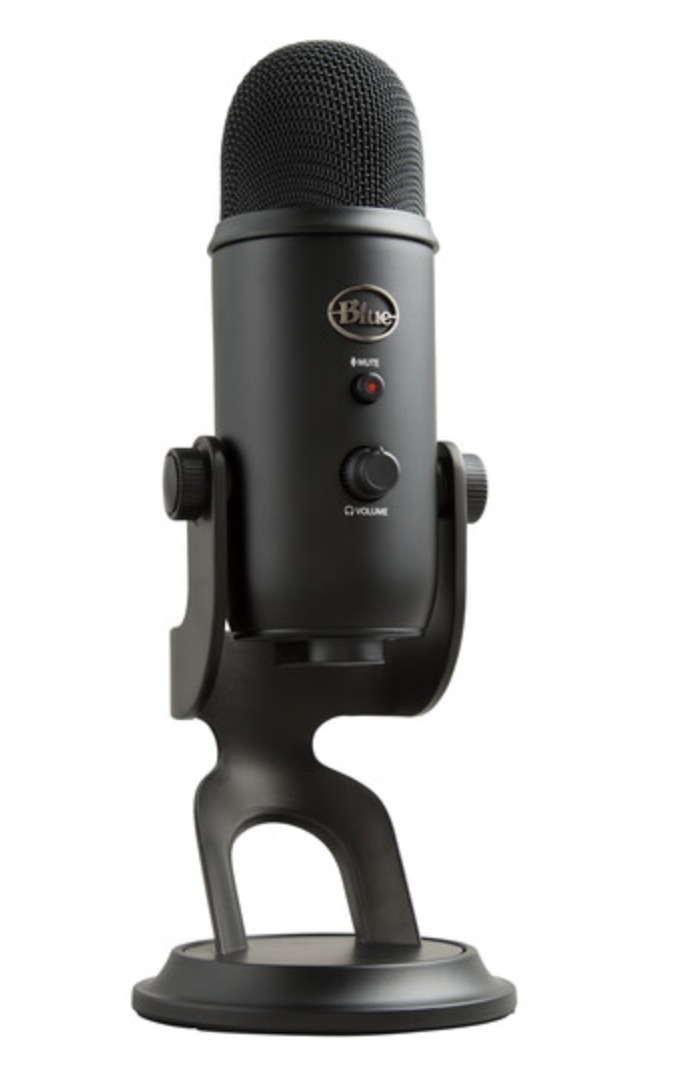
Super Beginner microphone: Blue Yet Mic
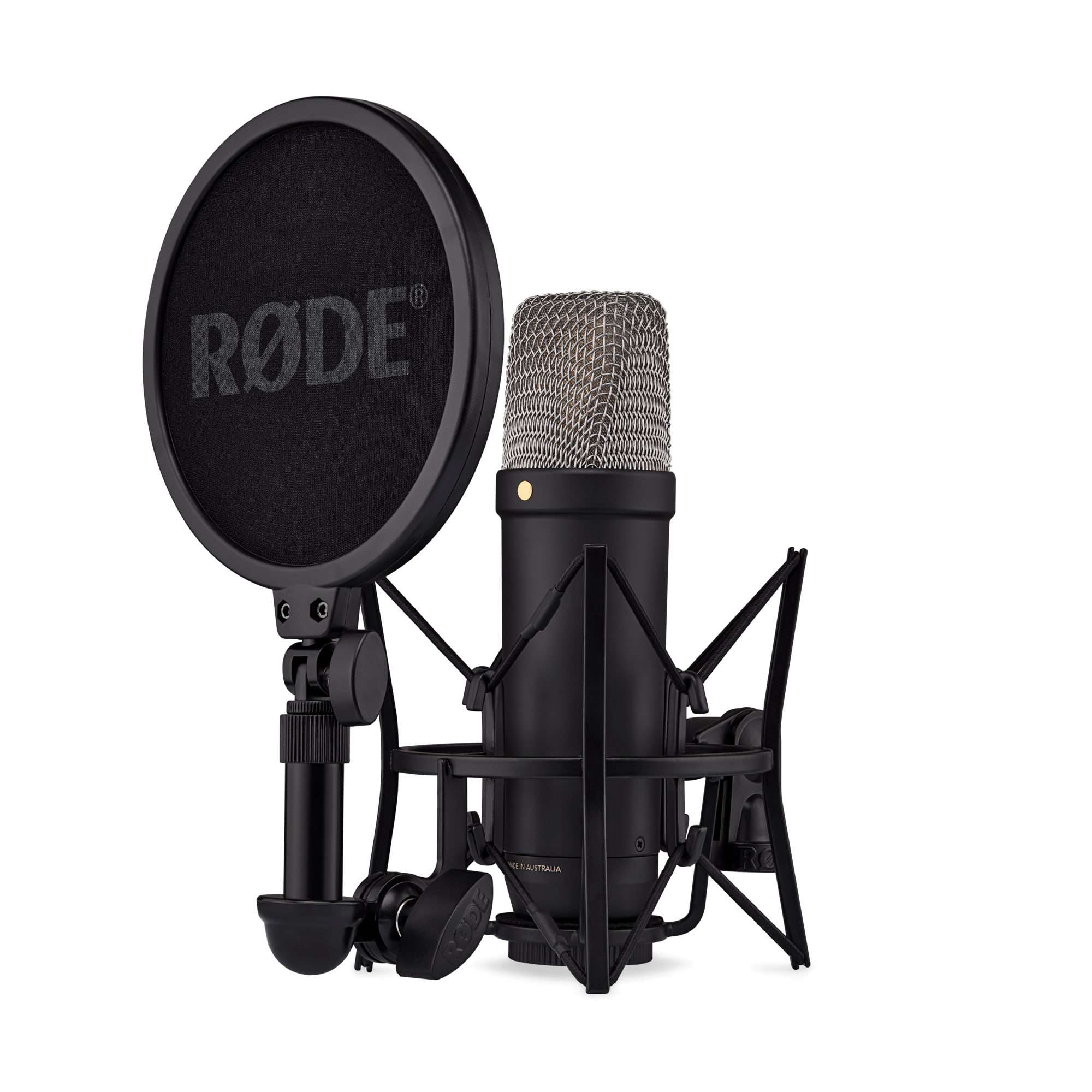
Beginner to Intermediate: Rode NT1 5th Gen (XLR/USB hybrid)
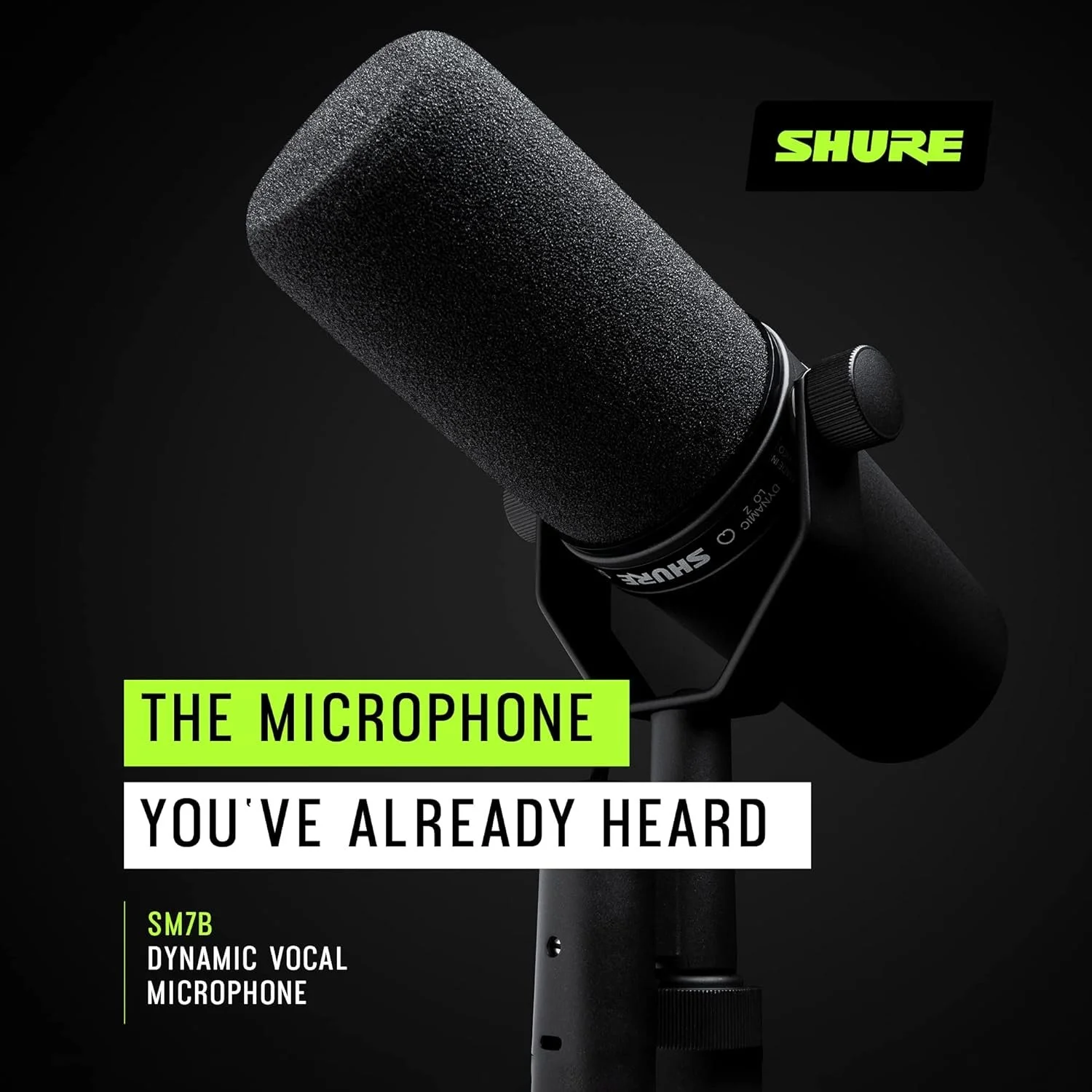
Professional: Shure SM7B
Industry Standard: Sennheiser MKH 416
Audio Interface: Focusrite Scarlett 2i2 4th Gen
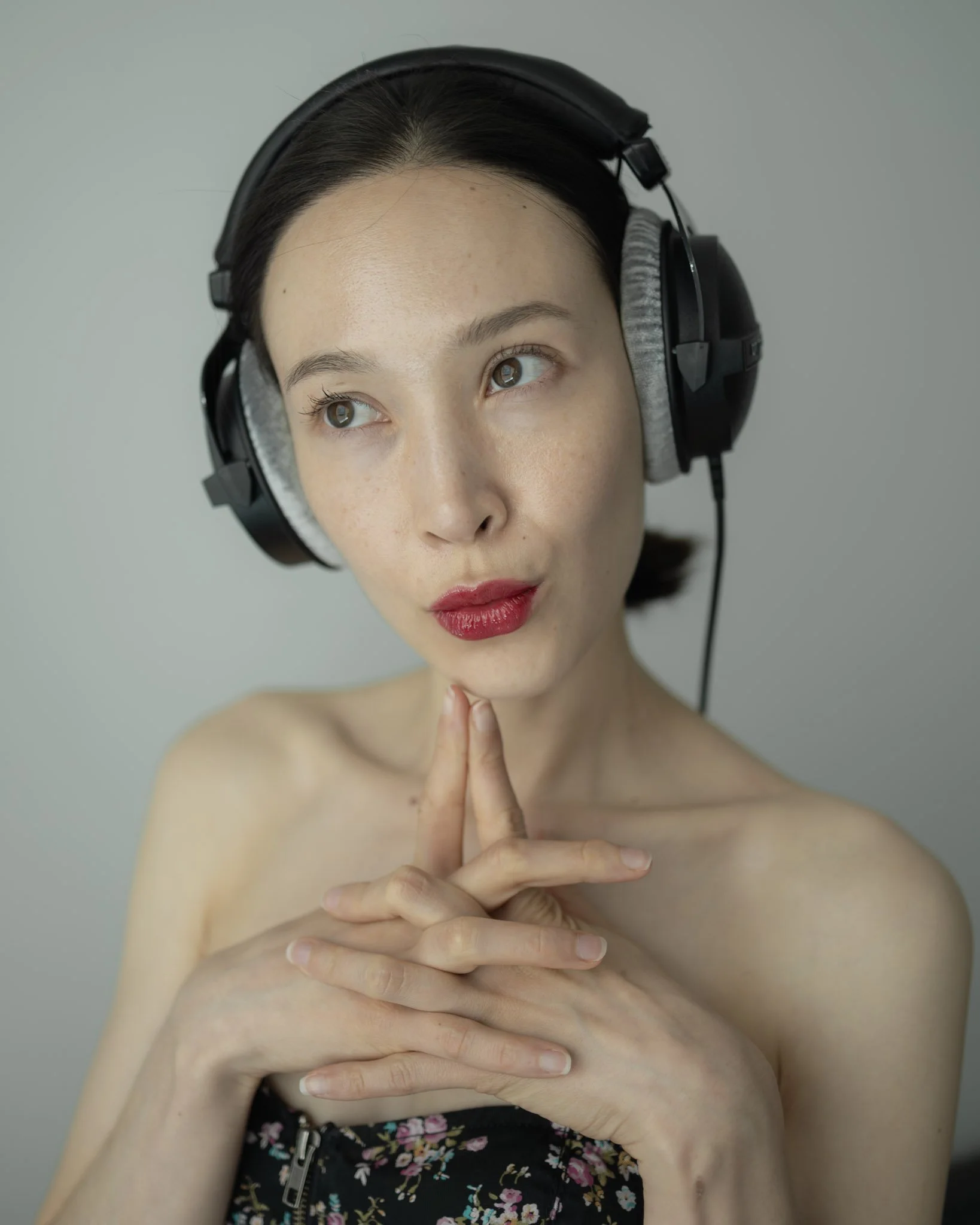
Headphones: Beyer Dynamic DT 770 PRO
I’ve been in the voice acting game for some time now.
It all began one fateful night in Suwon, South Korea, when I attended an open casting for English and Korean speaking voice actors at a local studio. That was one tiny dot on my roadmap to Where I Am Now, and I look at that moment with a mixture of fondness and amused disbelief at my own bravery. But it lit the fire, and from that moment I began doing what I could to get into the voice acting business.
Over the years, I’ve performed in so many studios. Some are like prison cells (I remember one basement room that was all white. Florescent lighting above me as I perched on a wooden stool for three hours, intoning into a microphone while the engineer stared at me through a darkened window. It was always cold in there) and some are ultra-chic (there was one with photographs of celebrities who had recorded there. The engineer was extremely cool and had trained in Nashville).
That said, I have had the privilege to play around with many different microphones over the years. I’ve bought some myself for different purposes, sold them, traded them, upgraded them, and now have ended up with my current set-up that has booked me work with excellent clients all over the world.
The key to selecting a microphone.
Just being expensive doesn’t equate better.
Consider your budget, your studio set up, and your other equipment.
If you are an absolute beginner,
Don’t worry about investing in expensive gear yet. You need to build up a voice reel and a portfolio. This can be done with something cheaper. The most important thing is capturing your voice clearly and eliminating unnecessary noise. I started sending in auditions with just a little Blue Yeti mic.
It’s the most basic microphone for beginners. It’s very simple to use, plugs into your computer with a usb cord and can be connected to your Garageband or Pro Tools directly. Also good for general podcasting, connecting with zoom or making simple song covers. It’s quite forgiving with dynamics.
Pros: versatile, easy controls of headphone output and voice levels.
If you want a dependable microphone as you grow.
Go for the Rode NT1 5th Gen (XLR/USB hybrid). You’ll have the option to use just USB if you don’t have an XLR audio interface yet, but also can upgrade when you do start using one. I’ve met lots of voice actors who use this mic, and have recorded commercials on it in studios.
Buy it here. This includes a shock mount (absorbs movement) and a pop filter (protects against those unsavory ‘t’s and ‘p’s that our mouths make when we talk.)
Pros: affordable price, both USB and XLR capabilities, good for voice and instruments.
If you want a professional microphone.
Once you’re at this level, I will assume you have a sound-treated studio space and additional equipment to make your microphone sound the best it possibly can. There are a few here I can suggest.
This one is super friendly and has a great, warm sound. Excellent for broadcasting, podcasting, and narration. It has a built in pop-filter so it’s quite easy to set up and adjust. I also love the look.
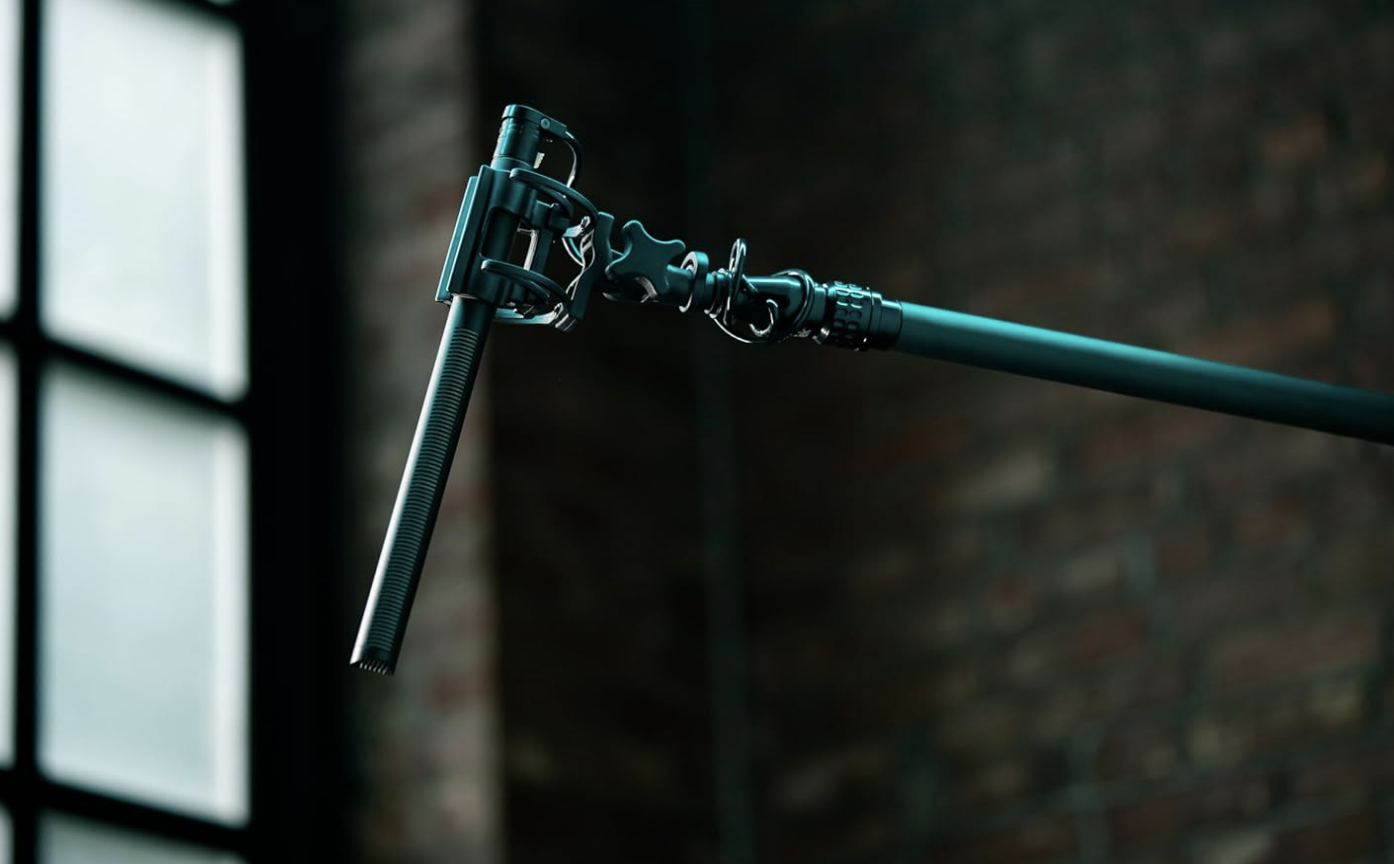
And the microphone I use. The Sennheiser MKH 416.
I have multiple reasons for this one. First, because it’s simply a spectacular microphone. It’s industry standard for film, music, TV, and voice acting. It’s highly durable. I use it for everything I do, whether it’s filming scenes, recording songs, doing dubs or commercial or video game voiceovers. It can handle intense dynamics and is great in all environments. It has never failed me.
As for audio interfaces.
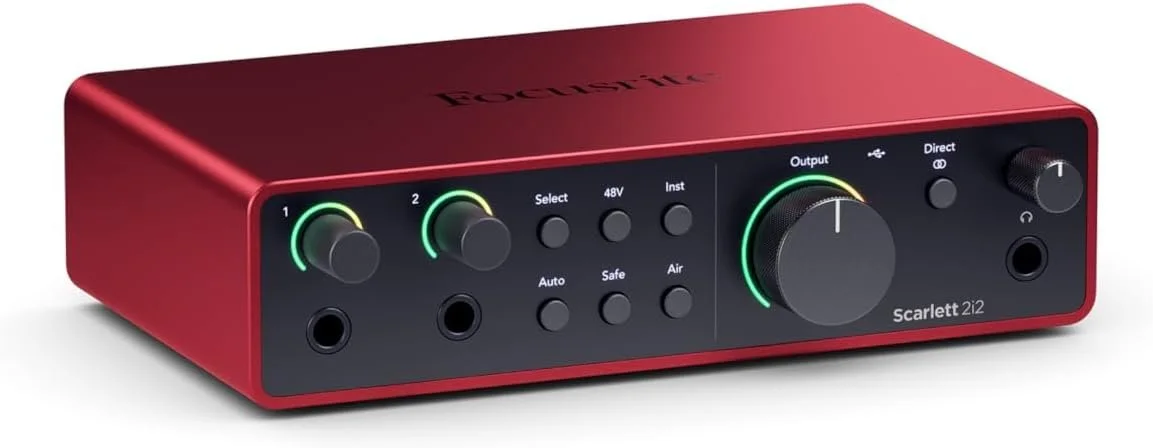
I use the Focusrite Scarlett 2i2 4th Gen.
Zero issues, straightforward and easy to monitor sound levels. No issues with Source Connect. As I am a solitary voice actor working from my home studio, I don’t need multiple inputs from other microphones at once. So this one suits me just fine. It is lightweight and compact.
Last, headphones.
I’m a Beyer Dynamic DT 770 PRO girl. So much so, the brand has left me a few comments on my social media, hahaha. Mine are at the moment a bit tattered around the ears, but the brand will also repair those for free under warranty. They’re lightweight and comfortable. I can wear them for hours at a time, which is especially necessary when recording audiobooks.
I love the extra long cord - it’s very helpful when I’m filming dramatic scenes or waving my arms around during video game ‘fights.’ (I can be quite physical in my voice acting. I find that actually punching or acting out the words elicits a better performance.) Important note: you need a headphone adapter to use with the Focusrite.
Consider your budget, space and working level. You don’t need the fanciest equipment on the market to get started. In fact, it’s better to get what you can afford and learn how to use right away so that you can start building up your reel. More important than having the best microphone is having a sound-treated space where you can record. Invest in that first.
Have fun!